
You may have spent months or even years saving inspiration on Pinterest, sketching floor plans on napkins, and imagining morning light filling a kitchen that doesn’t exist yet.
Move from dreaming to doing in early spring 2026, since this time of year is strategically the best time to get started. Longer daylight, better weather, and material availability are just some reasons why many consider spring a great time to start building.
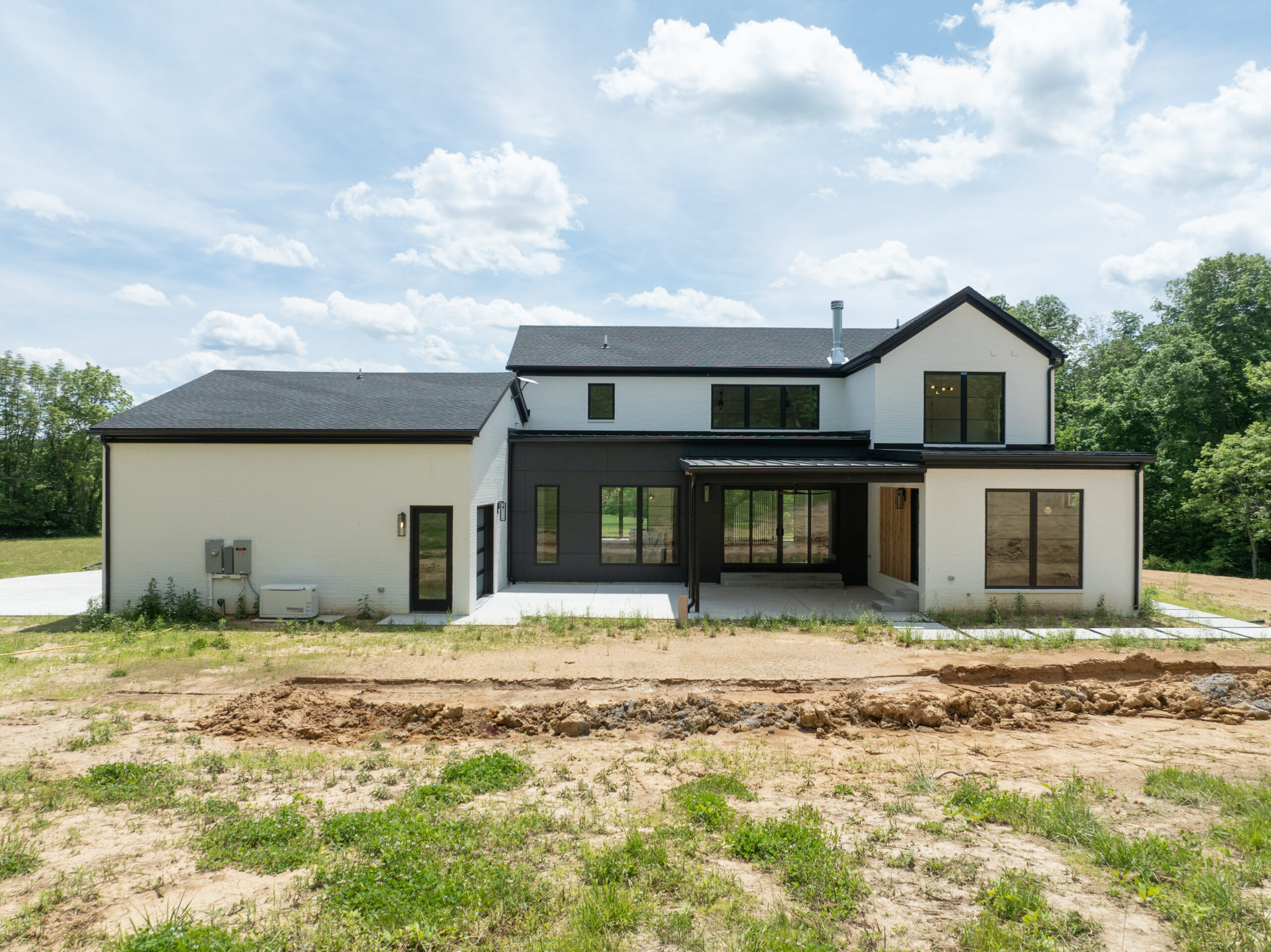
The dominant aesthetic conversation in new construction right now is a sophisticated blend of old and new.
2026’s most compelling custom homes combine classic brick silhouettes with sleek steel-framed windows.
Examples include deep charcoal casement windows cutting through warm red brick, and blackened steel transoms above arched doorways that feel simultaneously timeless and fresh.
Modern Heritage is a response to homeowners who want permanence. Ultra-minimalist builds leave some buyers wanting more. As such, they reach back toward materials that carry history: hand-laid brick, reclaimed wood beams, natural stone thresholds.
Complementing these materials with contemporary clean lines, large-format glazing, and open-plan interiors offer an alluring contrast to the heavy exterior.
Building in spring 2026 can put your architect and builder in full alignment with this movement. Material availability, skilled tradespeople who specialize in masonry, and the design community’s collective vocabulary are all oriented around these choices right now.
A new custom home in 2026 can offer integrated smart-home performance.
Whole-home audio and automated shade systems with concealed wiring controlled on a single unified app also for security, lighting scenes, climate zones, and door locks, all installed in the building process.
When building from scratch, systems don’t require tearing out finished surfaces or routing cables through occupied spaces, making it far less demanding than retrofitting.
Modern high-efficiency HVAC systems have variable-speed heat pumps, energy-recovery ventilators, zoned mini-splits, and more features engineered to be installed during the rough-in phase. Energy-efficient family homes can lead to long-term savings because it can tamp down on the wide range of energy consumption from a single family.
Paired with advanced insulation packages, thermally broken windows, and airtight building envelopes, a new build in 2026 can achieve energy performance levels that cut monthly utility costs to levels lower than those of homes built just fifteen years ago. That financial advantage compounds every month you live there.
Custom home construction operates on a rhythm that most people don’t think about until they’re already behind it. Breaking ground in March puts you at the front of that rhythm and creates downstream benefits.
A typical custom build can run longer than a year, though sometimes less, between groundbreaking to move-in. Starting in early spring means the foundation is poured and the framing crew is raising walls before heat peaks.
By late summer the shell is weathered in: roof on, windows set, exterior sheathed. Interior finish work proceeds through fall and early winter in controlled conditions.
Tradespeople are more available in the fall than during the summer rush when every builder in town competes for the same plumbers and electricians. Critically, the home should be complete before the chaotic spring real estate season, settling in and personalizing the space while others are still bidding on houses that don’t fit.
Forward-thinking clients building custom homes in 2026 go beyond thinking about square footage and resale value. They consider how the architecture of their home will shape the texture of their daily life. An exciting trend emerging from that thinking is the rise of what designers are calling the analog room.
An analog room is a dedicated space that is intentionally designed away from screens.
Examples include:
A custom build lets you design an analog room from a blank page. Your floor plan can establish acoustic separation between a music room and a bedroom.
A ceramics studio can be positioned for natural north light and plumbed correctly from the start.
A library can have the structural reinforcement its shelves require without retrofitting.
These are not expensive additions when planned from the beginning. These are simply part of the design.
The window between dreaming and building is often narrower than people assume. Contractors book out, material lead times stretch, and all the while time is slipping to get the perfect spring start.
Families who move into beautifully crafted custom homes in early 2027 are the ones making decisions right now, in March 2026. March, April, and May are perfect months with ideal weather conditions for construction plans for custom homes.
At Eldridge Company, we’ve spent years helping clients navigate this process by translating a vision that reflects how they want to live. If you’re ready to move from the Pinterest board to the building permit, we’d love to talk. The ground is ready and the season is right, so let’s build something that lasts.

Eldridge Company LLC, 509 Barret Avenue, Louisville, KY, 40204, United States 502-625-5565 info@eldridgecompany.com